Brampton food hygiene and professional sanitation experts help you keep dining establishments, food distribution centers, bakeries, warehouses, and food service vehicles clean to code. They sanitize frequently contacted surfaces, food preparation areas, equipment, floors, drains, restrooms, and food prep areas using approved chemicals, proper concentration, and documented contact times. in maintaining restaurants, commissaries, baking operations, warehouses, and food service units in compliance. They sanitize high-touch points, food preparation zones, equipment, floors, drains, restrooms, and food handling zones using certified sanitizers, proper dilution, and recorded contact times.
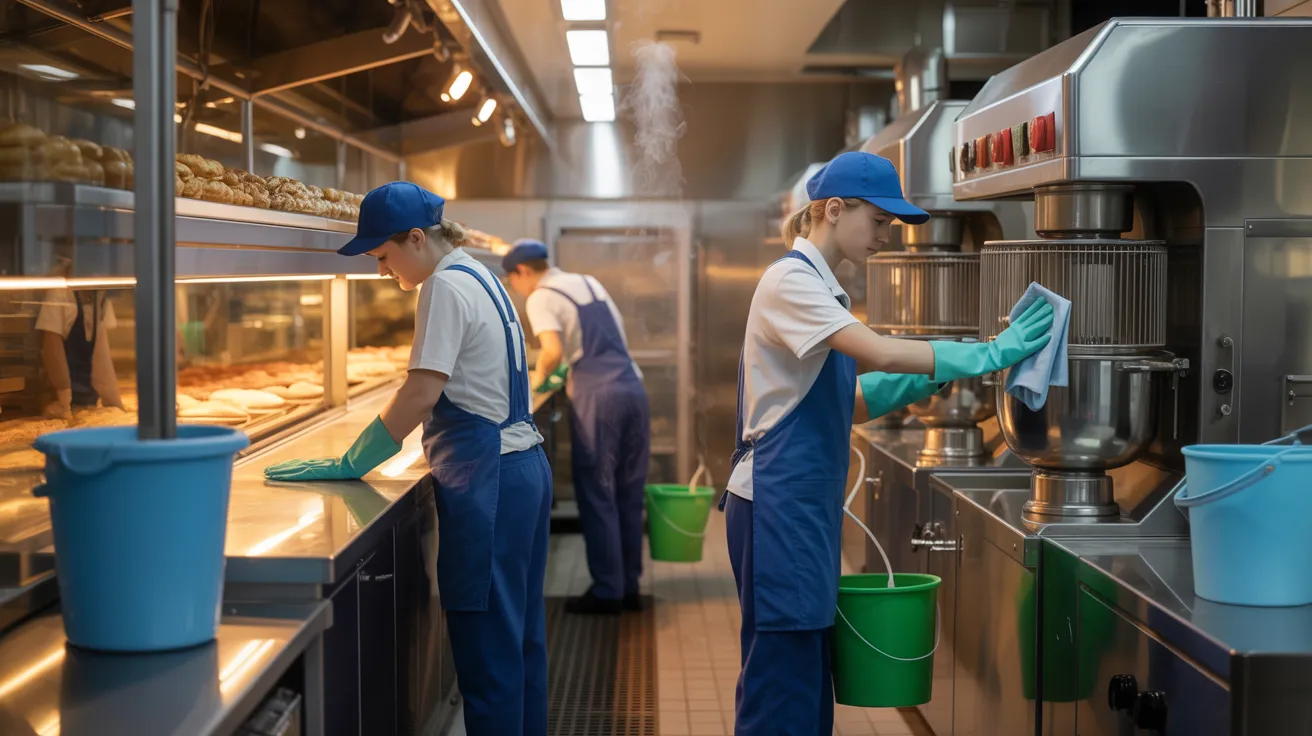
Important Highlights
- Sanitation specialists from Brampton support restaurants, grocery departments, commissaries, warehouses, bakeries, schools, mobile vendors, and allergen-sensitive operations.
- Cross-contamination reduction is maintained by sanitizing high-touch surfaces, food-contact equipment, kitchens, floors, drains, restrooms, and storage areas with compartmentalized approaches.
- Approved sanitizer dilution, compatibility, and contact time are verified by trained vendors, with completion logged via tests, reviews, and correction logs.
- Daily, periodic, and seasonal duties distributed by location comprise maintenance calendars grounded on hazard, production rate, format changes, incidents, and standards.
- Coverage, color-categorized equipment, HACCP, health regulatory competency, safety training training, endorsements, and assessment-ready maintenance files are important provider attributes.
Which Brampton Venues Need Food Safety Cleaning?
Any Brampton facility that handles, stores, prepares, packages, or serves food needs sanitation protocols. You must follow it if your business falls under health department oversight, food regulations, or HACCP requirements. That requirement covers eateries, dining facilities, food distribution centers, supermarket departments, meat markets, fish counters, corner stores, and commercial kitchens.
Proper sanitation protocols is also essential in supply facilities, manufacturing operations, cold storage areas, bakery retailers, educational nutrition programs, banquet halls, and food delivery hubs. Mobile and temporary operations matter too, such as mobile kitchens, market vendors, and seasonal booths. Your facility requires recorded sanitation procedures when your employees prepare supplies, portion completed foods, reheat products, or manage allergen records. In Brampton, hygiene continues to be not discretionary; it comprises regulatory, business, and safety requirements.
What Do Brampton Cleaning Experts Clean?
Professional cleaning teams specializing in Brampton disinfect high-contact surfaces, kitchen facilities, ground surfaces, and sanitary facilities in compliance with food safety regulations. Focus on these locations stems from extreme cross-contamination risk, potential for accidents, and possible regulatory violations.
Knowing their service areas enables you to validate your operation's sanitation satisfies operational demands and regulatory compliance.
High-Touch Surface Sanitizing
establish a cleaning protocol
rotating towels regularly, following unidirectional processes, and separating cleaning supplies by section. This approach keeps your disinfection program documented, well-documented, and ready for inspection at all times.
Kitchen Areas, Floor Surfaces, and Bathroom Spaces
Professional cleaners in Brampton concentrate on kitchens, floors, and restrooms given that each location involves distinct food safety, slip-and-fall, and health code requirements. In industrial kitchens, you need degreasing on cook lines, equipment exteriors, drains, prep surfaces, and splash zones practical resource to reduce contamination and pest pressure.
You should also expect documented floor care. is likewise provided as part of the service.
Restroom cleaning requires disinfecting touchpoints, fixtures, partitions, dispensers, and waste containers, replacing items and managing smells. They also service restaurant moprooms, where chemical storage, sink hygiene, and drainage conditions can affect sanitation compliance and staff safety daily.
How Food Safety Cleaning Benefits Brampton Operations
Brampton facilities require food-safe cleaning standards to fulfill health code requirements and pass inspections. You also minimize bacterial spread through proper cleaning of food-preparation surfaces, appliances, and frequently-touched items. Most importantly, you help protect community wellness by reducing the chance of food poisoning in your establishment.
Health Code Compliance
Since Brampton food operations must follow rigorous sanitary regulations, your hygiene maintenance directly influences your ability to meet health codes, protect diners, and prevent regulatory penalties. You must maintain sanitized food contact points, documented cleaning schedules, appropriate product handling, and auditable operational standards that comply with municipal and provincial inspection expectations.
Maintaining strong cleaning records demonstrates due diligence for inspection audits and establishes that your methods are consistent, consistent, and overseen.
Cross-Contamination Prevention
Following health code standards depends on your ability to prevent cross-contamination in routine food work and sanitation. You must separate raw ingredients from ready-to-eat foods, disinfect work areas after use, and maintain separation of cleaning products from food. Clear procedures reduce transfer risks and promote steady regulatory adherence.
Implementing allergen separation helps keep priority allergens from contacting communal work zones, bins, or devices. Utilize separate boards, color-labeled items, and clear tool marking so staff don't mix items during preparation or service. Require handwashing after handling raw meat, seafood, eggs, or allergen-containing products. Replace wiping cloths regularly, and verify sanitizer strength with test strips. When you train staff to follow these controls per shift, you establish a more hygienic, safer workplace that meets Brampton's food safety expectations regularly.
Community Health Protection
When sanitation protocols fails, you don't just face inspection failure—you heighten the likelihood of foodborne illness affecting customers, staff, and the wider Brampton community. You also undermine your responsibility in safeguarding community wellness, especially in high-traffic food premises where contamination can spread quickly through surfaces, equipment, and touchpoints.
You need cleaning protocols that eliminate soils, sanitize effectively, and confirm results. This requires following contact periods, using authorized sanitizers, logging schedules, and educating staff to meet regulatory requirements. These controls promote pathogen control by minimizing pathogens before contaminating food or hands. Throughout Brampton, effective sanitation protects vulnerable communities, reduces outbreak risk, and proves your diligence. When you follow proper protocols, you exceed regulations—you lower hazards and enable safer food service region-wide.
How Does Cleaning Support Food Safety Compliance?
Rigorous cleaning routines ensure food safety compliance by reducing contamination risks, preventing pathogen multiplication, and keeping your facility aligned with sanitation requirements under HACCP-based programs and public health regulations. You confirm that product-contact areas appear visibly clean and microbiologically controlled, enabling documented preventive controls and inspection readiness.
Cleaning initiatives additionally fortify allergen mitigation by eliminating residues that can lead to undeclared allergen exposure.
Establishing When to Arrange Commercial Cleaning
Plans for cleaning are most successful when developed based on risk assessment, output volume, and compliance standards instead of just a set calendar.
Use weekly or every month schedules
Selecting the Right Brampton Cleaning Experts: Key Considerations
Start by screening providers against food sanitation standards, not cost only. You should verify that each company understands CFIA, public health, and HACCP compliance standards relevant to your facility. Ask for proof of insurance, WHMIS compliance, documented staff training, and supervision practices. Review whether technicians understand contamination prevention, chemical handling, and traceable sanitation records.
Additionally, you need to evaluate operational reliability and responsibility. Obtain references from food facilities in Brampton, then review service speed, corrective-action procedures, and communication practices. Verify the company conducts supplier reviews and can deliver compliance-ready records when inspectors or external parties need proof. Verify equipment upkeep, color-coded equipment are applied correctly, and site-specific hazards are identified. A qualified provider protects compliance, product quality, and your brand reputation.
What aspects should a Food Safety Cleaning Plan contain?
Create a documented strategy that makes clear every sanitation task, standard, and responsibility before production begins. You should detail cleaning frequencies, approved chemicals, dilution rates, contact times, tools, and verification methods for each zone, surface, and piece of equipment. Include pre-operational inspections, corrective actions, and employee training requirements.
Your plan should also tackle prevention of contamination, waste management, pest-control tactics, and scheduled records for restrooms, drains, floors, and food-contact areas. Outline how you'll separate raw and ready-to-eat processes, facilitate ingredient tracking, and keep accurate allergen labeling through validated cleaning between product changes. You should establish accountability, keep signed records, and evaluate results against regulatory standards, HACCP controls, and customer requirements. When gaps appear, update procedures immediately and instruct staff.
Regular Asked Inquiries
Can sanitation providers support nighttime operations in Brampton facilities?
If you run controlled spaces, you'll also need records that support inspections and ensure compliance.
Will sanitation professionals address hazardous incidents?
Yes, you can expect Brampton sanitation professionals who provide emergency spill response solutions. They manage hazardous materials, assess risks, contain contamination, and start rapid decontamination to minimize risk and avoid operational disruption. You should confirm response times, training certifications, PPE protocols, and disposal procedures. If your facility must comply with industry standards, select a service that documents incidents, follows compliant standards, and enables compliance verification.
Can green disinfectants be applied securely on food-handling equipment?
In essence, plant-based sanitizers remain safe for surfaces contacting food provided you choose products labeled food safe that adhere to regulatory compliant. Verify contact times, dilution ratios, and rinse protocols before use. Plant-derived products decrease chemical hazards, although you must have confirmation of performance against relevant pathogens. For maintaining residue-free areas, stick to precise manufacturer instructions and ensure the cleaning agent satisfies relevant food safety standards.
Do maintenance plans enable seasonal shifts?
Without question, sanitation programs adapt well for seasonal variations. Revise intervals, personnel, cleaning agents, and confirmation procedures to match seasonal patterns while preserving regulatory compliance. Decrease operational delays by scheduling cleaning amid equipment transitions, peak volumes, and usage patterns. Additionally update written procedures, employee training, and environmental testing to capture periodic risks, additional allergens, or increased soil loads. Consistent reviews ensure your plan functional.
Will commercial cleaners teach your staff on hygiene best practices?
Indeed, commercial cleaning providers typically provide employee coaching on proper hygiene. Your staff obtains instruction on proper chemical use, contact times, cross-contamination prevention, equipment breakdown, and documentation. They generally adhere to instruction with HACCP, GMP, and CFIA or local public health requirements. Many also execute sanitation audits to verify compliance, reveal issues, and strengthen improvement measures. This supports you in maintain consistent procedures, achieve compliance, and decrease foodborne illness risks each day.
Final Thoughts
By collaborating with Brampton food safety and commercial cleaning experts, you aren't just organizing—you maintain your facility compliance-focused and your standards in compliance. From production areas to kitchen zones, every clean surface and organized space reduces pest risk and prevents costly issues. By arranging service at appropriate intervals and adhering to a systematic cleaning protocol, you secure staff members, clients, and your standing. In a heavily controlled environment, hygienic conditions must be prioritized—they're key to business compliance.